149
Programmes
6
IELTS Min
September · January
Intakes
About Keele University
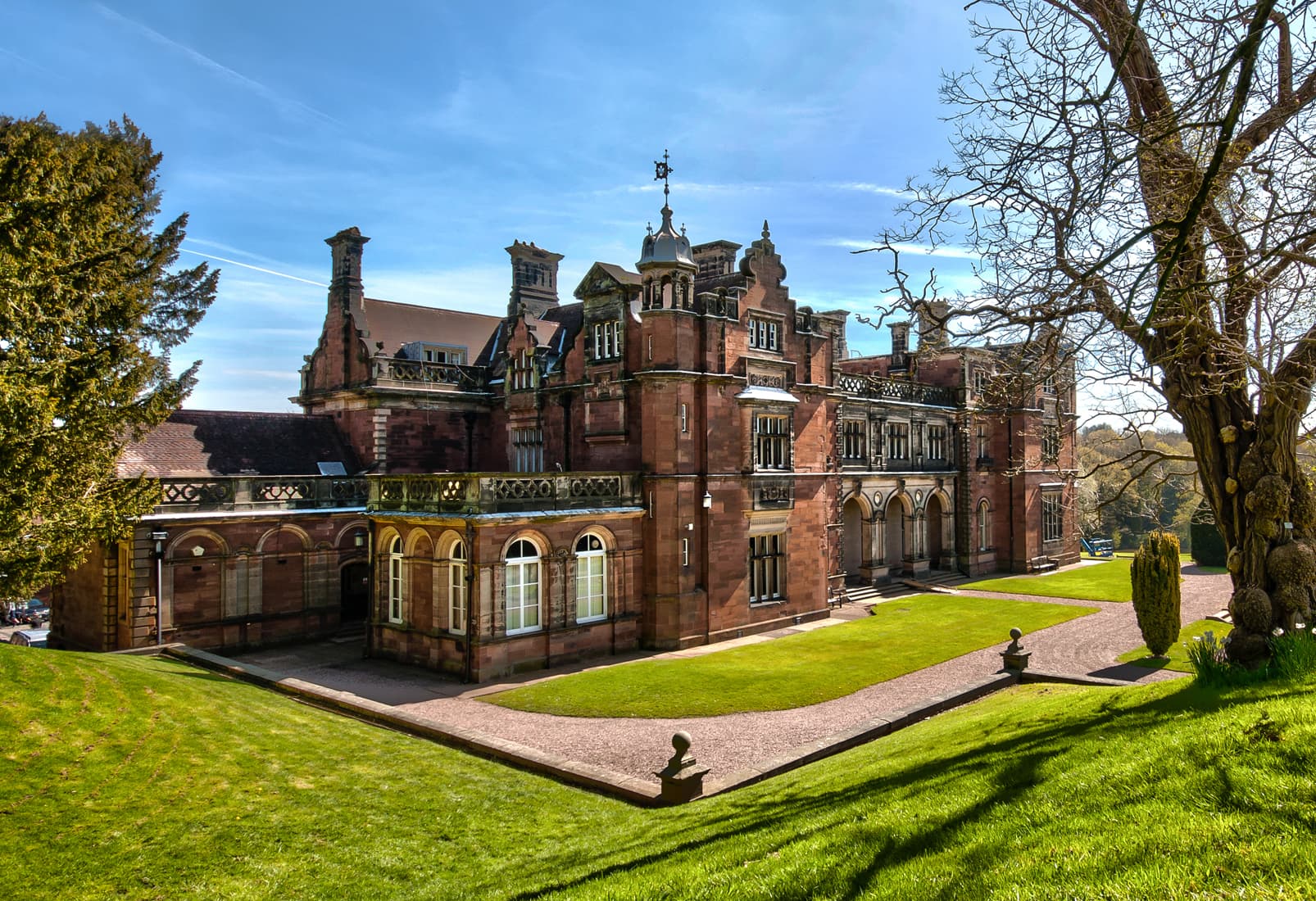
Keele University is a campus university in Staffordshire, in the heart of England, founded in 1949. Its 600-acre campus — one of the largest in the UK — is self-contained, with teaching, accommodation, shops, a health centre and sports facilities all within walking distance. Around 13,500 students study across three faculties — Humanities and Social Sciences, Natural Sciences, and Medicine and Health Sciences — and Keele is well known for its combined honours degrees, which let you study two subjects together. Rated Gold in the Teaching Excellence Framework (TEF 2023), Keele sits midway between Birmingham and Manchester. International students can apply directly, or start through Keele University International College (KUIC), the university's on-campus pathway college run in partnership with Navitas, which offers routes to more than 150 Keele degrees.
Programmes
Key Information
Entry Requirements
- IELTS
- 6+
- TOEFL
- 79+
Intakes & Deadlines
- Start dates
- SeptemberJanuary
Programme Levels
Learn More
Why Choose Keele University?
One of the UK's largest campuses: 600 acres in Staffordshire, with teaching, housing and facilities in one self-contained community Gold rating for teaching in the Teaching Excellence Framework (TEF 2023) Well known for combined honours degrees — study two subjects together across humanities, social sciences, natural sciences and health On-campus pathway college: Keele University International College (KUIC), run in partnership with Navitas, gives access to over 150 Keele degrees Midway between Birmingham and Manchester, with more than 60 businesses based on campus at the Keele Science and Innovation Park
Student Life & Campus
Life at Keele centres on its green, self-contained campus in the Staffordshire countryside. Almost everything is on site and within walking distance — student accommodation, a grocery store, a pharmacy, a doctor's surgery, a sports centre and the Students' Union — so most students live, study and socialise in the same community. The campus is also a working innovation district, home to more than 60 businesses at the Keele Science and Innovation Park. When you want city life, Newcastle-under-Lyme and Stoke-on-Trent are on the doorstep, and Birmingham and Manchester are both within easy reach.
How to Apply
For direct undergraduate entry, most Keele courses ask for IELTS 6.0 overall with no component below 5.5, or TOEFL iBT 79 overall; some courses, including many health and medicine courses, ask for more, and every course page on keele.ac.uk states the English language group it requires, so check your course before applying. Undergraduate degrees start in September, and a range of master's courses also start in January. International tuition fees are set in bands by course: for 2026/27 the undergraduate bands run from £17,100 to £29,800 per year, and for 2027/28 the published undergraduate and postgraduate taught bands run from £17,800 to £31,000 per year (Medicine and Veterinary Medicine sit outside the standard bands). Keele's standard tuition fee deposit for overseas students is £4,000. Apply for undergraduate courses through UCAS and for postgraduate courses directly to Keele. If you do not yet meet Keele's entry requirements, Keele University International College (KUIC) — Keele's on-campus pathway college, operated in partnership with Navitas — offers Foundation, International Year One and one-semester Pre-Master's programmes leading to over 150 Keele degrees. On successful completion and meeting the required grades, Foundation students progress to Year 1 of their degree, International Year One students progress to Year 2, and Pre-Master's students progress to their chosen Master's. KUIC's published fees are £8,000 for a one-semester Foundation; £16,500 for the two-semester Foundation and the International Year One in Business, Computing, Engineering and Law, Humanities and Social Sciences; £18,000 for the Health and Science Foundation (Science); and £20,000 for the Health and Science Foundation (Health). KUIC starts in September and January, with additional February and October starts for International Year One and a May start on some routes, and its students can qualify for progression scholarships of £3,000 per year at undergraduate level and up to £5,000 towards a Master's.