Study in Australia: The Complete Guide for International Students (2026–27)
Study in Australia in 2026–27: the subclass 500 visa fee, the A$29,710 living-cost requirement, 48-hour work rights and post-study work — checked against the Department of Home Affairs — plus the Australian universities you can apply to through Foundation Pathway.
By Foundation Pathway
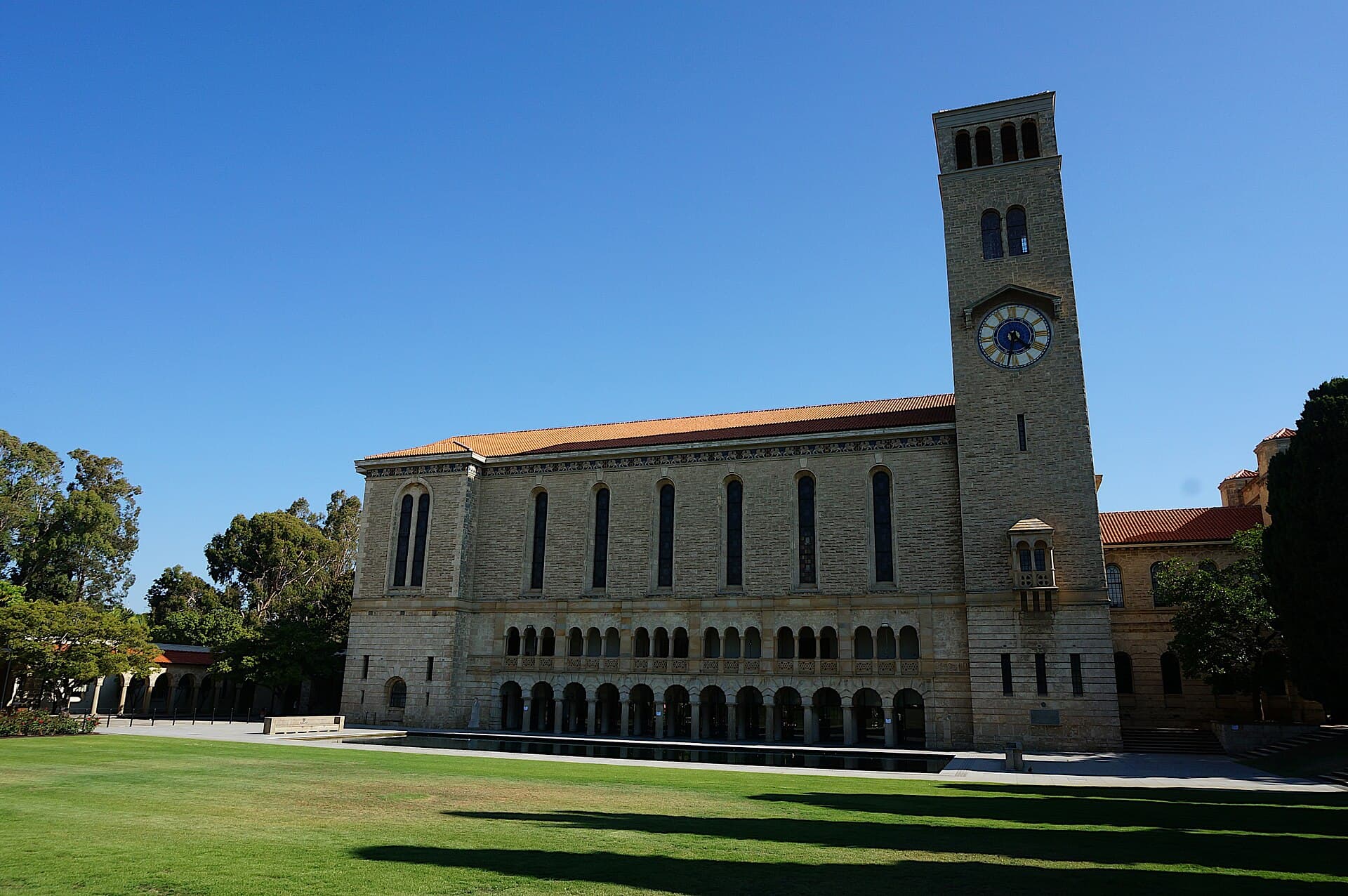
Why study in Australia?
Australia combines globally ranked universities with a lifestyle students love: warm weather, safe multicultural cities and generous work rights during and after study. Degrees follow the Australian Qualifications Framework, most intakes fall in February and July (some universities add a third intake), and every figure in this guide is taken from Australian government sources, checked in November 2026.
Australian universities you can apply to through Foundation Pathway
The University of Western Australia (QS 77) — a Group of Eight research university in Perth, beside the Swan River. 2026 fees include A$42,500 for the Bachelor of Arts, A$50,700 for Commerce, A$52,000 for Science and A$53,700 for Engineering (Honours). IELTS 6.5; February and July starts.
Curtin University (QS 183) — Western Australia's largest university, main campus at Bentley in Perth. 2026 examples: A$43,982 per year for Science and Commerce bachelor's degrees and A$50,276 for Physiotherapy (Honours). IELTS 6.5 for most courses; February and July starts.
Deakin University (QS =207) — based at Melbourne Burwood, its largest campus, with a trimester system that lets you start in March, July or November. 2026 examples: A$38,200 for the Bachelor of Politics, Philosophy and Economics, A$44,200 for the Master of Information Technology and A$48,000 for the Master of Finance. IELTS 6.0 (undergraduate) and 6.5 (master's).
Griffith University (QS 268) — five campuses across Brisbane and the Gold Coast, with trimesters starting in February, July and October. IELTS 6.5 with no subscore below 6.0. Indicative bachelor's fees run from about A$39,500 to A$43,500 per year.
Charles Sturt University — Sydney and Melbourne campuses — city campuses for international students in North Sydney (77 Berry Street) and Melbourne's CBD (222 Bourke Street), offering Business, Accounting and Information Technology at bachelor's and master's level, with terms starting in March, July and November. 2027 fees include A$34,400 per year for the Bachelor of Business and A$37,600 for the Master of Professional IT. IELTS 6.0.
ACAP University College — a specialist in psychology, counselling, social work and criminology since 1983, with CBD campuses in Sydney, Melbourne, Adelaide and Perth and three trimesters a year (February, May, September). Most bachelor's degrees cost A$30,632 per year (2027); IELTS 6.0 for bachelor's, 6.5–7.0 for postgraduate.
How much does studying in Australia cost?
Australia does not publish one official tuition range — fees are set per course by each university, so the examples above are the honest way to budget. As a rule, expect roughly A$30,000–A$55,000 per year depending on the university and course, with medicine and dentistry far higher. Living costs vary by city: Perth, Brisbane and Adelaide are generally cheaper than Sydney and Melbourne.
The student visa (subclass 500): fees and financial capacity
The subclass 500 application charge is from A$2,500 for the main applicant (the current charge since 1 July 2026; concessions apply in limited circumstances). You apply online, and you must be enrolled in a registered (CRICOS) course with a Confirmation of Enrolment (CoE).
For the financial capacity requirement, you must show funds covering your first 12 months of course fees, travel costs, and living costs of: A$29,710 per year for you, the student, plus A$10,394 per year for a partner, and A$4,449 for each child, where family members are included (since October 2026, most students cannot bring family members unless exempt — ask us if this affects you), plus A$13,502 per year schooling for each school-age child.
You must also hold Overseas Student Health Cover (OSHC) for your whole stay — it is mandatory, bought from an approved insurer, and there is no single government-set price.
Working while you study
Student visa holders can work up to 48 hours per fortnight while their course is in session, and unlimited hours during scheduled course breaks. It is one of the most generous work allowances in the world — enough for a part-time job that genuinely helps with living costs, while keeping study first.
After you graduate: the Temporary Graduate visa (subclass 485)
Degree graduates can usually stay and work in Australia for 2 to 3 years after their course, depending on the qualification, under the Post-Higher Education Work stream of the subclass 485 visa. The application charge is from A$5,750, and applicants must generally be aged 35 or under. Diploma and trade graduates have a separate stream of up to 18 months, and studying in a regional area can add a further visa.
How to apply
Applications are made directly to each university — there is no central system. Most bachelor's and master's courses start in February and July; Deakin and Griffith add a third trimester intake, ACAP starts in February, May and September, and Charles Sturt's city campuses start in March, July and November. Apply 6–9 months ahead so your CoE and visa are ready in time.
Foundation Pathway's advice is free: we match your grades and budget to Australian universities, check your documents, and support your visa application. Book a free consultation to start.
Figures checked against the Australian Department of Home Affairs and the Federal Register of Legislation in November 2026. Visa settings change — confirm your figures with your adviser before you apply.
Need help choosing a university?
Our consultants provide free guidance, scholarship tips, and exclusive application incentives.
Schools Mentioned in This Article
The University Of Western Australia
Perth, Australia
Curtin University
Perth, Australia
Deakin University
Melbourne, Australia
Griffith University
Multiple Locations, Australia
ACAP University College
Multiple Locations, Australia
Charles Sturt University Sydney
Sydney, Australia
Charles Sturt University Melbourne
Melbourne, Australia
More Articles
Study in the USA: The Complete Guide for International Students (2026–27)
Study in the USA in 2026–27: F-1 visa and SEVIS fees, how much money you must show, on-campus work and OPT — checked against the US Department of State, DHS and USCIS — plus the US universities you can apply to through Foundation Pathway.

Study in the UK: The Complete Guide for International Students (2026–27)
Study in the UK in 2026–27: Student visa fees, the money you must show, tuition costs, work rights and the Graduate visa — every figure checked against GOV.UK and UCAS — plus the UK universities you can apply to through Foundation Pathway.

Top 5 UK Universities for Business Studies in 2026
Choosing the right UK business school can shape your career. We compare the top 5 options for international students based on rankings, tuition, and career outcomes.
Compare universities side-by-side
Browse our partner universities and filter by country, budget, and programme level.